
Coating and substrate problems
What do you see on the surface? Select a problem to review possible causes and checks before repair.
You can also enter part of a word. Multiple terms can match across different fields.
50 of 50 questions
Does local damage mean the entire floor must be replaced?
Not necessarily. First, we check whether the surrounding coating and substrate remain firmly bonded. If damage is confined locally and the retained layers are suitable for refurbishment, a local repair may be sufficient. If the coating is detaching beyond the visible defect, unstable material must be removed and the cause identified, such as adhesion, moisture or substrate problems. Our example shows MCF after 19 years and CSF after 12 years in use: local damage in the MCF and detachment in larger pieces in the CSF. This is an in-service example; the method and scope of repair for other floors must follow inspection of those floors.
How do I choose the right coating for my surface?
Start with the substrate and how it will be used. Tell us what you want to protect, whether it is indoors or outdoors, its condition and the exposure it will face. Include photographs and the approximate area. This helps us select a suitable coating system and define the preparation, required layers and application method.
What is the difference between a one-component and a two-component coating?
A one-component coating is used without adding a separate hardener; its drying mechanism depends on the product. For a two-component coating, mix the components in the specified ratio and use the mixture within its stated pot life. Ratios by weight and by volume may differ. The choice depends on the required performance and working conditions, not simply the number of components.
How much coating do I need?
Calculate each layer separately: multiply the area by the specified consumption per unit area, add the quantities and allow for losses from the chosen application method. Substrate roughness and absorbency also affect consumption. We need the product name or system build-up to calculate the quantity. Kilograms and litres cannot be treated as equivalent without knowing the density.
What conditions are suitable for painting?
Check air, substrate and material temperatures, as well as relative humidity. Outdoors, also consider dew, wind, sunshine and the rain forecast. A suitable air temperature does not necessarily mean suitable conditions at the surface. Check the product's technical data sheet for limits and how long the fresh coating needs protection; one temperature range does not apply to every coating.
When can I apply the next coat and start using the surface?
Recoating time, readiness for foot traffic and readiness for full loading are different stages. A surface that can be walked on may not yet be ready for vehicles or chemical contact. Follow the technical data sheet and account for the actual curing conditions. A longer interval between coats may require additional surface preparation.
How long will the protection last, and what warranty is available?
Durability depends on the substrate, system build-up and thickness, application quality, subsequent exposure and maintenance. It must therefore be assessed for the specific use. Any warranty should clearly state its scope, the responsible person or company, and its conditions. When reviewing a quotation, check what is covered for the materials and workmanship, and what maintenance is required.
Which coating is suitable for a garage?
C-Guard EP 272 W HT is a waterborne epoxy coating for indoor garages, car parks and workshops, with resistance to hot-tyre staining. Before application, check concrete condition and moisture, possible rising moisture, and the required coating system. The product is not intended for direct UV exposure. Contact Chemcolor technical support for surface preparation and system selection.
When should I choose a thin coating rather than a self-levelling finish?
A thin coating and a self-levelling system differ in composition, consumption and application method. C-Guard EP 385 W is intended for self-levelling floors. Selection depends on substrate condition and levelness, service loads and the required appearance. Confirm preparation, coat sequence and the exact A/B component variant before use, because the variants have different mixing ratios. Chemcolor technical support can help select the system.
How should concrete be prepared before coating?
Concrete must be sufficiently sound, clean and prepared for the selected system. Remove laitance, friable material, oil and poorly bonded old coatings. Floors generally require mechanical preparation followed by thorough vacuuming. Check moisture using an appropriate test; a light grey appearance alone does not establish that concrete is ready to coat.
Can I coat damp concrete?
This depends on the selected system and the source of moisture. Some systems tolerate more residual moisture, but vapour permeability alone does not resolve a continuous water supply or water pressure. Before application, measure moisture using the method required for the product and check its source, movement and the condition of the waterproofing. The specific system instructions define the acceptable value.
Is new concrete ready to coat after 28 days?
Concrete age alone does not establish suitability. In addition to the required age, check strength, moisture, surface contamination and any curing compounds. Drying depends on construction and site conditions. Schedule coating work according to the selected system's requirements and the verified condition of the substrate.
Can I apply a new coating over painted concrete?
Yes, if the existing coating is sufficiently well bonded and compatible with the new system. Remove loose areas, clean the surface and prepare it for adhesion of the next coat. Where the old coating is unknown, carry out a trial application and an appropriate adhesion assessment. A quick adhesive tape check is only indicative and does not replace professional assessment.
Are epoxy coatings suitable for outdoor surfaces?
An epoxy layer can form part of an exterior system, but the complete build-up must suit UV exposure, water and temperature changes. Sunlight can alter the colour or gloss of many epoxy coatings. Choose a verified weather-resistant layer for the visible finish. The suitability of an outdoor floor cannot be determined from the binder type alone.
How can I make a floor less slippery?
Choose the surface texture with water, grease, slope, footwear and cleaning methods in mind. A more pronounced texture may improve slip resistance, but requires suitable maintenance. Where a classification or test result is required, verify it for the actual system as installed. A general claim that a wet surface is non-slip does not cover every condition of use.
Is a linseed oil finish suitable for protecting concrete paving blocks?
Choose a treatment expressly suitable for concrete paving blocks and check its effect on appearance and slipperiness. Do not follow general recipes that involve heating the oil finish. Rags containing drying oils can self-heat and ignite: never leave them in piles or an ordinary bin. Collect them in a purpose-designed, non-combustible oily-rag receptacle with a lid. Follow the safety data sheet and your local waste collector's instructions for handling and disposal.
Can a worn resin floor be refurbished?
If the substrate and retained layers are suitable for the new system, refurbishment may be possible through local repairs and a new finish coat. First identify the cause of damage and check adhesion, moisture and compatibility. Where underlying layers are detaching, simply recoating is not an adequate repair. The scope of refurbishment is determined after inspection.
How do I choose a coating for a manufactured metal product?
Alongside the type of metal, describe the cleaning process, application method, drying conditions and time before packing or assembly. The product's eventual service environment also matters. Select a coating that suits both its exposure and a practical production process. Before introducing it into repeat production, check the application on a representative sample.
What protection does an outdoor steel structure need?
Define the system according to the corrosive environment, planned maintenance and steel preparation. Consider edges, welds and places where water collects. The specification should state surface preparation, each coating layer and its dry film thickness. A colour designation or finish coat alone does not define the structure's corrosion protection.
Can I apply a coating directly over rust?
First remove loosely bonded rust, dirt and other contamination. Some coatings allow a specified level of hand or power-tool preparation; others require abrasive blasting. The acceptable substrate condition must be stated for the particular product and system. A coating does not restore the load-bearing capacity of metal already damaged by corrosion.
How should galvanised sheet metal be painted?
First establish the condition of the zinc and any surface treatment. Remove grease, contamination and unsuitable corrosion products, then prepare the surface while preserving the zinc coating. Use a system confirmed as suitable for zinc and check adhesion on a sample where needed. Do not automatically apply the preparation process for ordinary steel to galvanised sheet metal.
Can I paint aluminium or stainless steel?
Yes, with suitable preparation and a coating system designed for the substrate. We first identify the surface treatment, remove contaminants and prepare the surface for good adhesion. A primer for ordinary steel is not automatically suitable for aluminium or stainless steel. If the treatment is unknown or the application is demanding, we verify the process with a trial application.
Can I apply a new coating over an old coating on metal?
An existing layer can remain if it adheres well and is compatible with the new coating. Damaged and corroded areas need suitable preparation, while sound areas should be cleaned and, where necessary, abraded. With an unknown existing system, we carry out a trial application. If the old layer softens or lifts, the preparation and choice of system need to be reconsidered.
What does a hammer-finish coating do?
It creates a decorative pattern resembling hammered metal and can make minor surface irregularities less noticeable. Appearance alone does not determine corrosion protection: the substrate, preparation and any required primer must also be considered. The decorative effect does not repair damaged metal. Before use, check the intended application and current instructions for the selected product.
What does MCU mean, and can I apply it to a wet surface?
MCU stands for moisture-cured urethane: a polyurethane coating that cures by reacting with moisture in the air. This single-component technology does not require a separate hardener. However, permitted humidity and the required substrate condition depend on the individual product. The MCU designation alone does not permit application to a wet, dirty or inadequately prepared surface. Follow the selected coating's technical data sheet and specified preparation requirements.
How do I choose between a translucent wood stain and an opaque coating?
Choose a translucent stain when you want the wood grain to remain visible, or an opaque coating for a more uniform colour. The application matters too: cladding, windows and doors have different requirements from surfaces that people walk on. Lesoton Toplazura is described in its published application guidance as a translucent finishing coat for certain interior and exterior wooden surfaces. Suitability for the specific item should be checked separately.
How can I give dark-stained wood a lighter appearance?
On a suitable substrate, Lesoton Enlight can be used as a lightening layer, followed by the chosen lighter translucent finish. Adapt the preparation to the existing coating and its adhesion. Enlight lightens the appearance and allows a wood-grain effect to be created, but a colour chart alone cannot predict the final result. Start with a trial area on your own wood.
Will a clear coating preserve the natural colour of wood in sunlight?
A clear coating may contain UV protection, but that alone does not guarantee long-term preservation of the wood's natural colour. For exterior wood exposed to sunlight, a suitably pigmented protective finish is generally more reliable. If you want a natural appearance, choose a proven system and test the shade on your own wood. Plan regular inspections and timely maintenance as well.
Can I use an exterior wood coating on furniture?
Check suitability against the product's intended use. Furniture may need resistance to scratches, household cleaners or other exposure that an exterior cladding coating is not designed to address. Tell us what the furniture is, what it is made from and how it will be used. Special requirements, such as food contact, need documentation that explicitly covers that use.
Can I use a fence stain on timber decking?
A horizontal surface exposed to foot traffic faces different loads from a fence or cladding. Alongside sunlight and rain, it must withstand walking, wear and retained water. Choose a product whose intended use explicitly includes decking. A general statement that a coating is suitable for exterior wood does not mean it is also suitable for a deck.
How should I prepare old or weathered grey wood for renovation?
First assess the wood and its existing protection. Remove dirt, loose coatings and weakened surface material, adapting the preparation to the damage and the new system. Check the wood's moisture content and any areas where water collects. A lightening coat changes the appearance but does not address the cause of decay or damage. Start with a trial application in a less visible area.
When should I renew the protection on wood?
Inspect the surface regularly according to its exposure, especially after severe weather. Plan maintenance at the first signs of wear or as instructed for the selected system. A well-preserved surface may need different preparation from wood with a peeling coating. One maintenance interval does not apply to every façade, fence and window; the condition of each surface is what matters.
What is a cool roof coating, and what can I expect from it?
A cool or solar-reflective roof coating can reduce the heating of the roof surface. Its effect depends on the colour, measured coating properties, roof construction and exposure. Reduced heating may lower summer cooling demand, but savings for a particular building cannot be determined without information about its insulation and use. The coating does not replace thermal insulation.
What does roof painting involve?
We first inspect the covering, identify its material and address damaged parts. The surface is then cleaned and prepared for the selected system. The application method depends on the substrate, the shape of the covering and the product instructions; spraying is not a universal requirement for every roof. The instructions also specify thinning, consumption and recoating intervals. Older fibre-cement sheets must be assessed for possible asbestos before cleaning. The work requires safe access at height and suitable weather conditions.
When does repainting a roof make sense, and when should the covering be replaced?
Repainting is an option when the covering is still sound and suitable for the chosen protective system. It renews appearance and surface protection. A covering that is crumbling or no longer performs its function because of damage first needs professional repair or replacement. A coating does not resolve problems with the roof structure, underlay or incorrectly formed details.
Can the same coating be used on concrete, clay and fibre-cement roofs?
Not necessarily; the type of roof covering determines the system. According to its published documentation, Betonkolor is intended for concrete surfaces not subject to foot traffic and certain fibre-cement surfaces. The same documentation excludes clay roof tiles and natural slate, so these require a separately confirmed solution. Older fibre-cement sheets must also be assessed for possible asbestos before a cleaning method is planned.
How do I choose a system for a metal or galvanised roof?
We first identify the metal, existing protection and extent of corrosion. The system must suit the substrate, weather exposure and roof details. For galvanised sheet, preparation must provide good adhesion while preserving the zinc layer. Leaks at joints and fasteners require appropriate repairs; choosing a paint alone does not solve these problems.
What should I check before renovating an old corrugated fibre-cement roof?
For older sheets, first identify the material and establish whether asbestos may be present. If the material is uncertain, do not start cleaning or mechanical preparation using general instructions for ordinary roof coverings. A suitably trained contractor should determine the procedure based on the material and its condition. High-pressure washing is not a generally recommended method for a roof that may contain asbestos.
Does a roof coating also guarantee lower heating costs?
The main expected energy benefit of a cool roof coating is reduced summer heat gain and cooling demand. Its effect on annual energy use depends on the climate, insulation and use of the building. Greater reflectivity can also reduce useful solar heat gain in winter. Lower heating costs therefore cannot be promised as a general property of a roof coating.
What information do you need to recommend a system and prepare a quotation?
Send a description of the substrate, approximate area, photos, details of any existing protection and the intended use. Include exposure to water, chemicals, sunlight or traffic, the desired appearance and the time available for the work. Attach a project specification if you have one. Where the substrate condition materially affects selection, we refine the recommendation after measurements, sample evaluation or a site visit.
Which documents do I need for a technical specification and special requirements?
You need current technical and safety data sheets and a confirmed system specification. For required properties, such as fire classification, chemical resistance or electrical properties, request evidence covering the specific application and build-up. A company certificate or a test on another system does not establish those properties. Also check the document's scope, specified substrate and revision.
Poor preparation: corrosion at edges and welds
Surface preparation must also address edges, welds and hard-to-reach details.
What to do
Before coating, check sharp edges, welds and welding residues, surface defects, cleanliness, rust removal and surface profile. Prepare any locally inadequate areas appropriately.
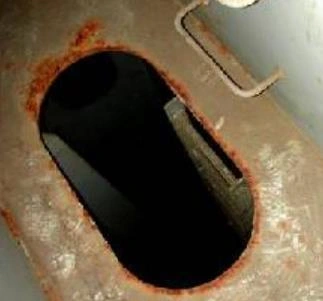 Corrosion at edges
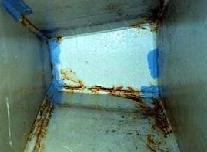 Corrosion at welds
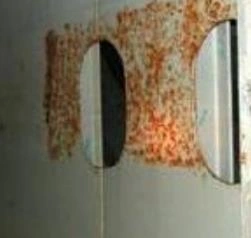 Locally inadequate surface preparation
Flash rust
A thin layer of rust may appear on the surface after blast cleaning.
Possible causes
Condensation on the surface.
Rainfall.
What to do
Re-blast the surface or use a material tolerant of flash rust.
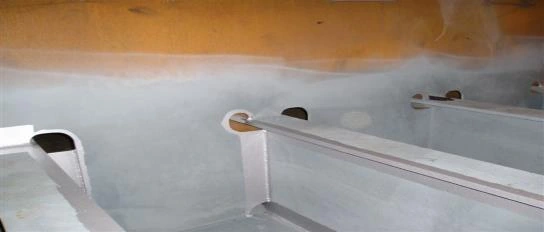 Flash rust after surface preparation
Peeling
Loss of adhesion to the substrate or the previous coat.
Possible causes
Inadequate surface preparation.
An incompatible previous coat.
Substrate contamination.
An excessively long recoating interval.
What to do
Remove the coating back to a sound substrate and recoat.
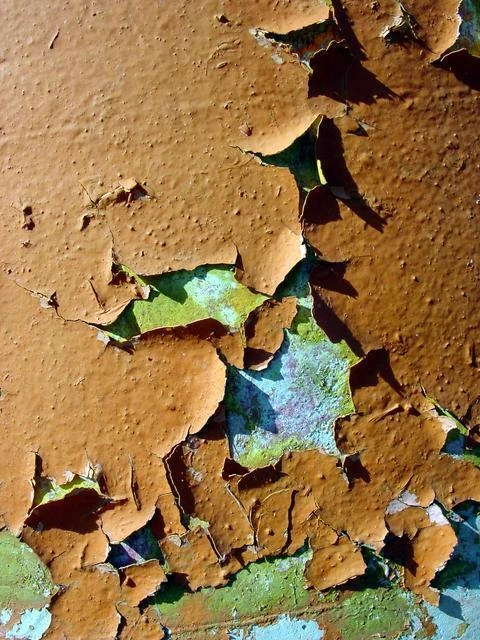 Coating peeling
Blistering
Blisters may appear immediately after application or later.
Possible causes
Poor or insufficient evaporation of solvent from the coating film.
Contamination of the substrate or previous coat with soluble salts, oils, waxes or dust; possible osmosis.
Excessive air humidity.
Condensed moisture in compressed air.
An excessively thick coating film.
What to do
Follow the application instructions, prepare the surface correctly and maintain the equipment properly.
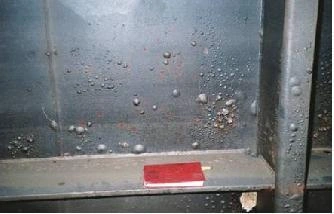 Coating blistering
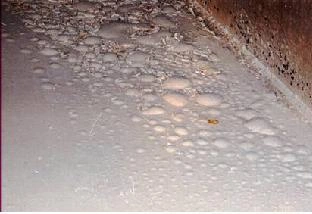 Blistering on a coated surface
Lifting of an existing coating
The existing coating lifts when overcoated.
Possible causes
Strong solvent in the topcoat dissolves the previous coat.
An excessively thick previous coat.
The previous coat is not fully dry or cured.
What to do
Follow the instructions and carry out a trial on a small area before application.
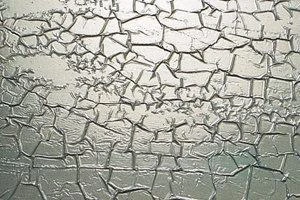 Lifting of an existing coating
Runs and sags
The wet coating runs or sags after application.
Possible causes
Excessive wet film thickness.
Excessive thinning.
The spray nozzle is too close to the surface.
The surface or coating temperature is too low.
What to do
Follow the instructions and use suitable equipment and the specified thinners.
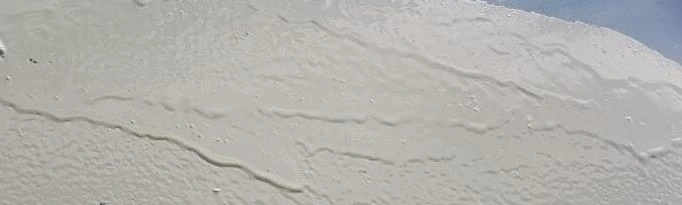 Coating runs and sags
Craters, small bubbles and pores
Craters, small bubbles or pores are visible in the coating film.
Possible causes
Excessive spray pressure.
Excessive film thickness.
Wind during application and excessively rapid flash-off.
The spray nozzle is too far from the surface.
A hot surface and excessively rapid drying.
Surface contamination.
What to do
Follow the instructions and monitor application conditions.
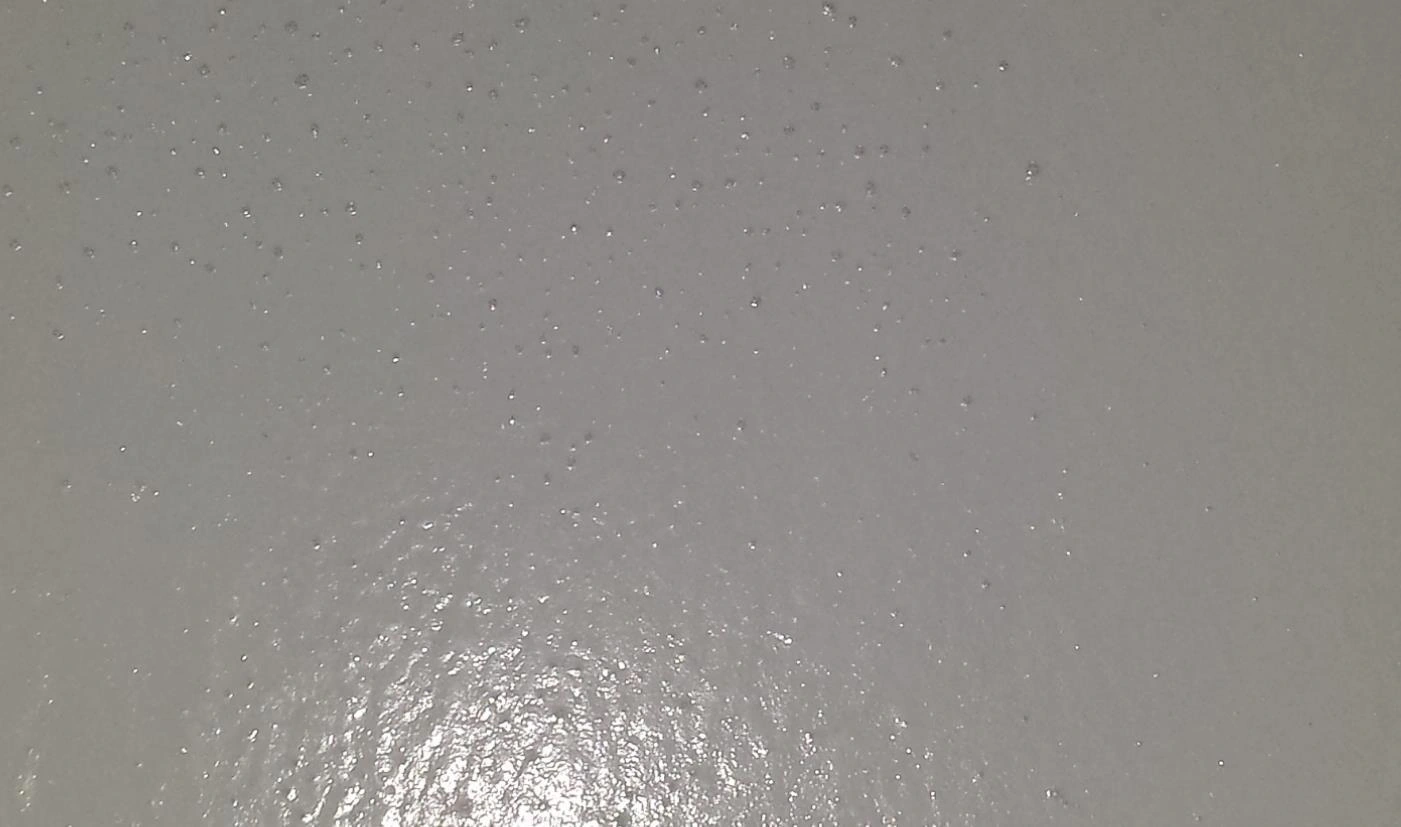 Craters, small bubbles and pores
Orange peel
The surface has an orange-peel texture.
Possible causes
Incorrect spray atomisation.
Spraying too close to the surface.
Excessively rapid drying.
Excessive viscosity.
What to do
Follow the thinning instructions and use the correct application technique.
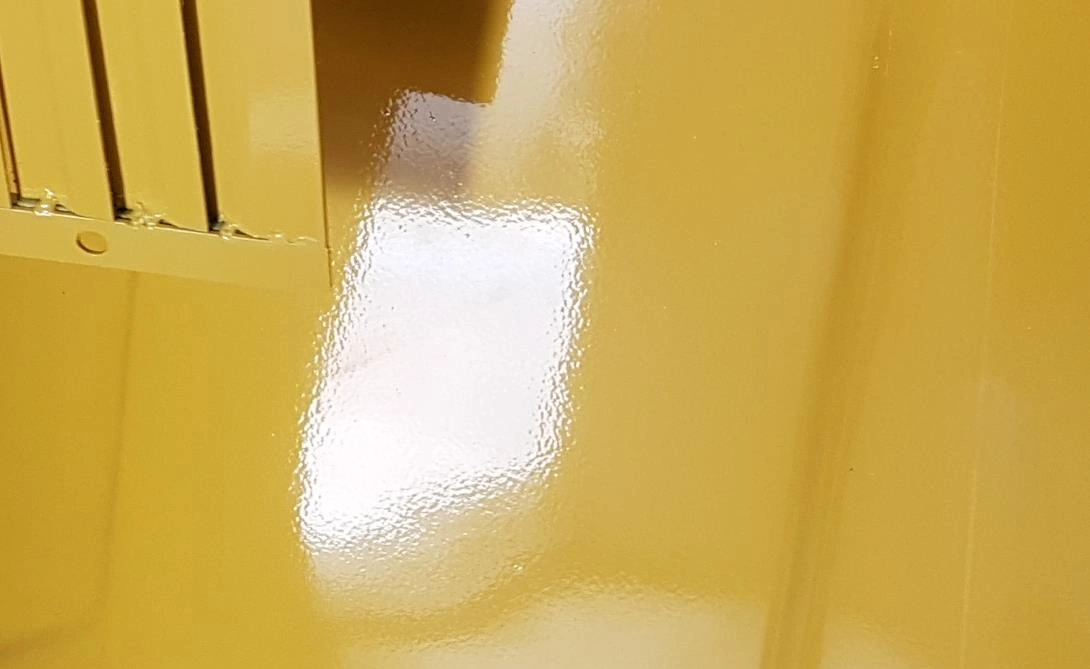 Orange peel
Efflorescence and dampness on a façade: what should you check?
White powdery deposits on a mineral substrate may be salts carried to the surface by water. Identify the moisture source first: check joints, flashings, drainage, leaks and contact with the ground. Removing deposits or painting over them alone does not resolve the cause. The brick façade at Dunajski vogal in Ljubljana provides a documented example of addressing water absorption.
1. Identify the deposit
Distinguish powdery salt deposits from chalking paint, limescale, cleaning residues and biological growth. Record where deposits occur, whether they return after rain and whether the substrate remains damp in dry weather.
2. Trace the water
Inspect façade joints, sills, flashings, drains, cracks and the ground-level zone. Condensation, rising damp and leaks have different causes and require different measures. A treatment that reduces rainwater absorption does not replace leak repairs or appropriate waterproofing.
3. Prepare the substrate and select a system
Match salt removal and cleaning to the brick, concrete or stone. Repair damage where necessary and allow drying. Check suitability and appearance on a trial area. Follow the current TDS of the selected product for preparation, consumption and application conditions.
Case study: Dunajski vogal brick façade
Efflorescence on the façade and dampness and mould in the apartments were documented in 2008. Protectosil BHN and Protectosil SC30 were used. The presentation shows water repellency after treatment and after five years, and a façade without visible efflorescence after ten years.
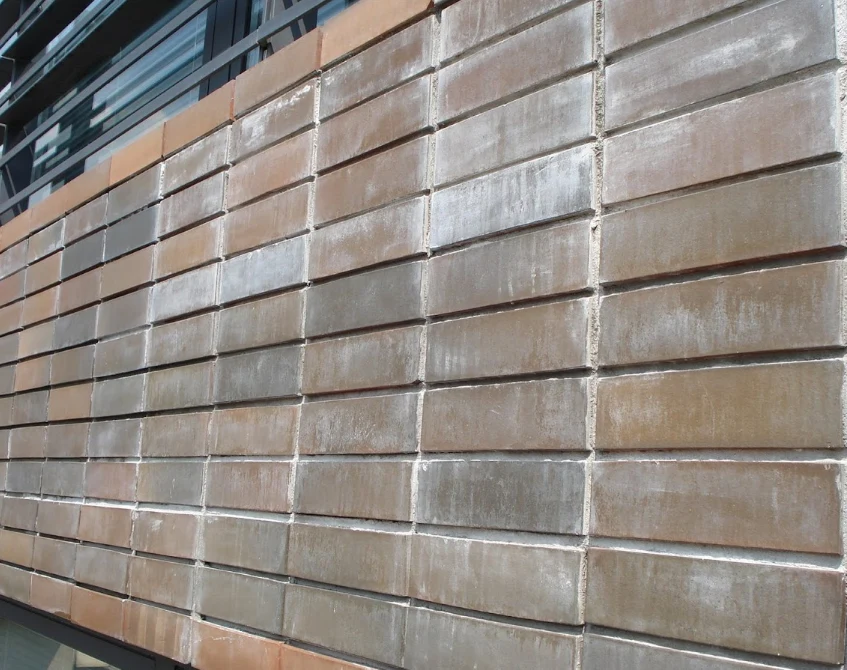 Initial condition – 2008
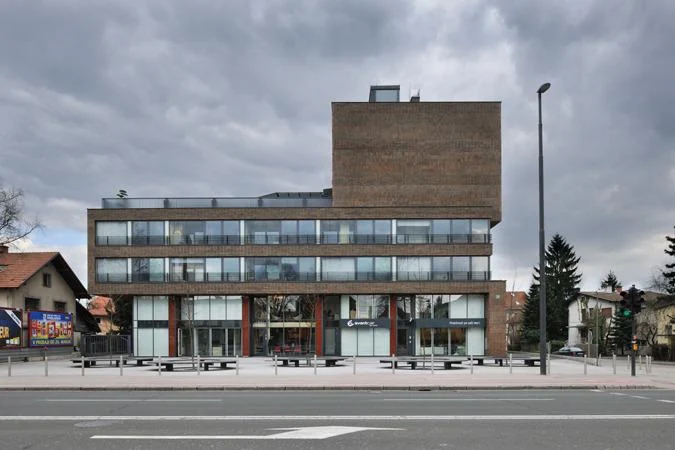 Ten years after treatment – 2018