
Laboratory · development · quality control
The right question.
The appropriate test.
A useful answer.
Our in-house laboratory connects coating development, quality control and practical application trials. The 33 procedures presented cover composition, appearance, application behaviour, and coating system properties and resistance.
Explore by question
What would you like to test?
Choose an area or search for a specific procedure.
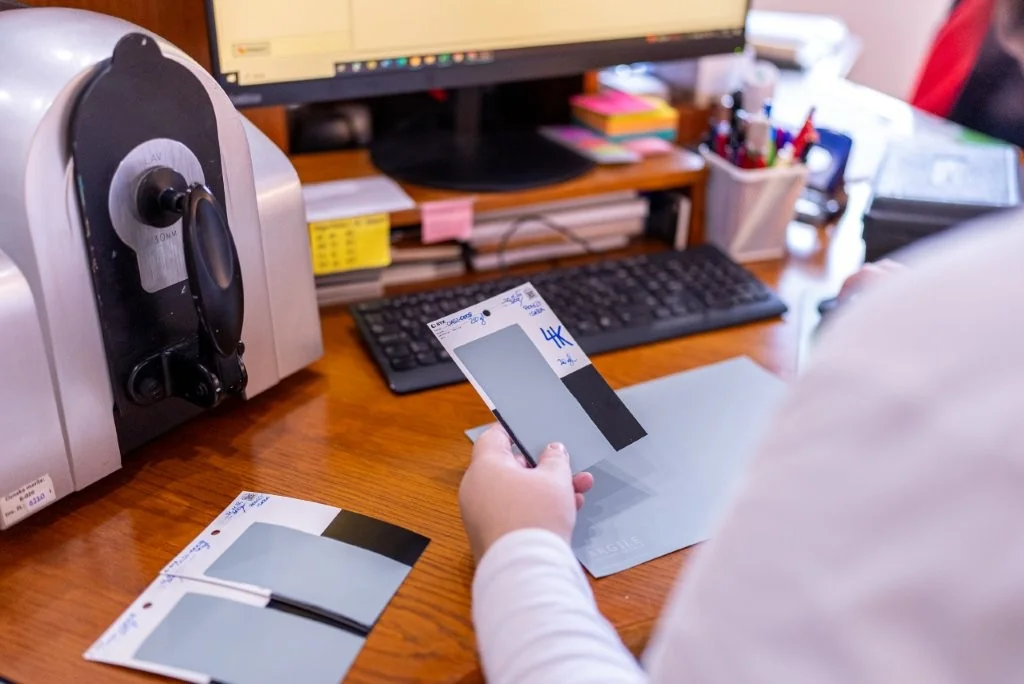
Colour and gloss
How closely does the coating match the chosen appearance?
Appearance under different lighting
Does the colour match change under another light source?
Liquid coating properties
How do composition and properties affect coating behaviour?
Application, hiding power and drying
What film is produced by the chosen application method?
Coating adhesion
How does the coating adhere to the substrate and other layers?
Mechanical film properties
How does the film respond to deformation and mechanical loading?
Accelerated UV ageing
How does UV exposure change the coating?
Salt spray exposure
How does the protective system respond to a saline environment?
Resistance and permeability
How does the system respond to chemicals, moisture and temperature changes?
You can also enter part of a word. Multiple terms can match across different fields.
Procedures shown: 33 / 33
 ▶ Procedure video
Mechanical film properties
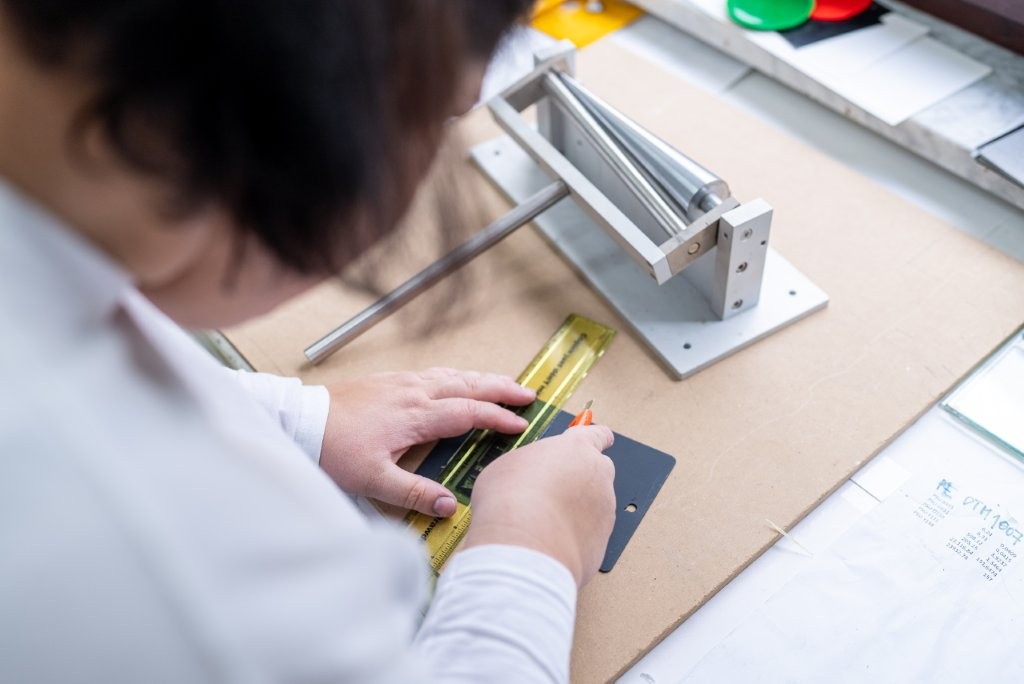
Bend test
Can the coating follow the bending of its substrate?
How the test works ↗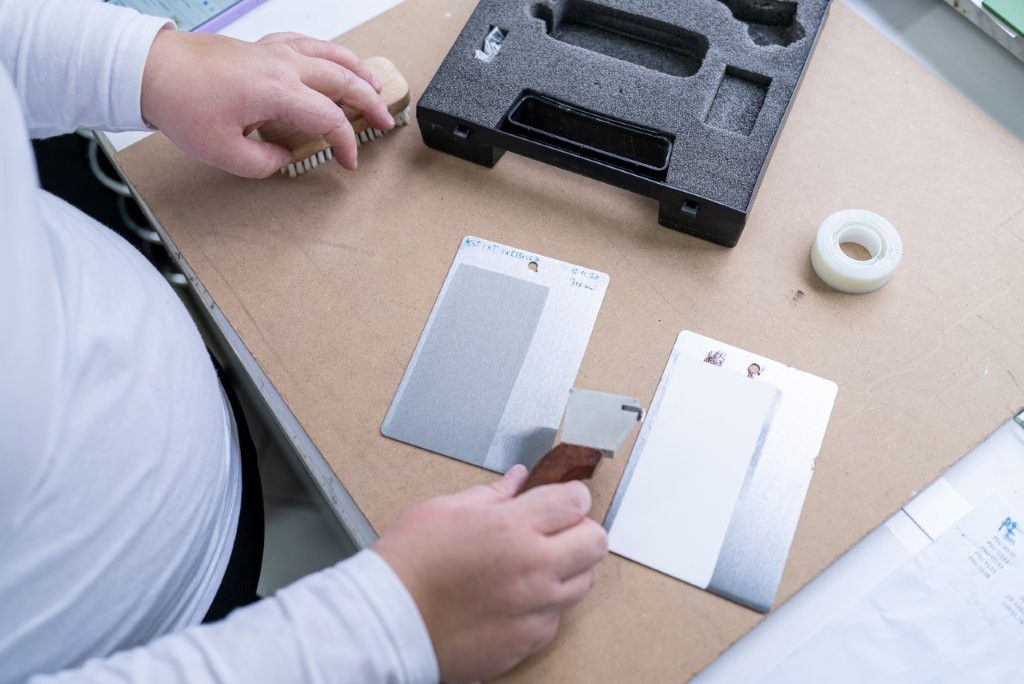 ▶ Procedure video
Coating adhesion
Cross-cut test
How does the coating behave around cuts through the film?
How the test works ↗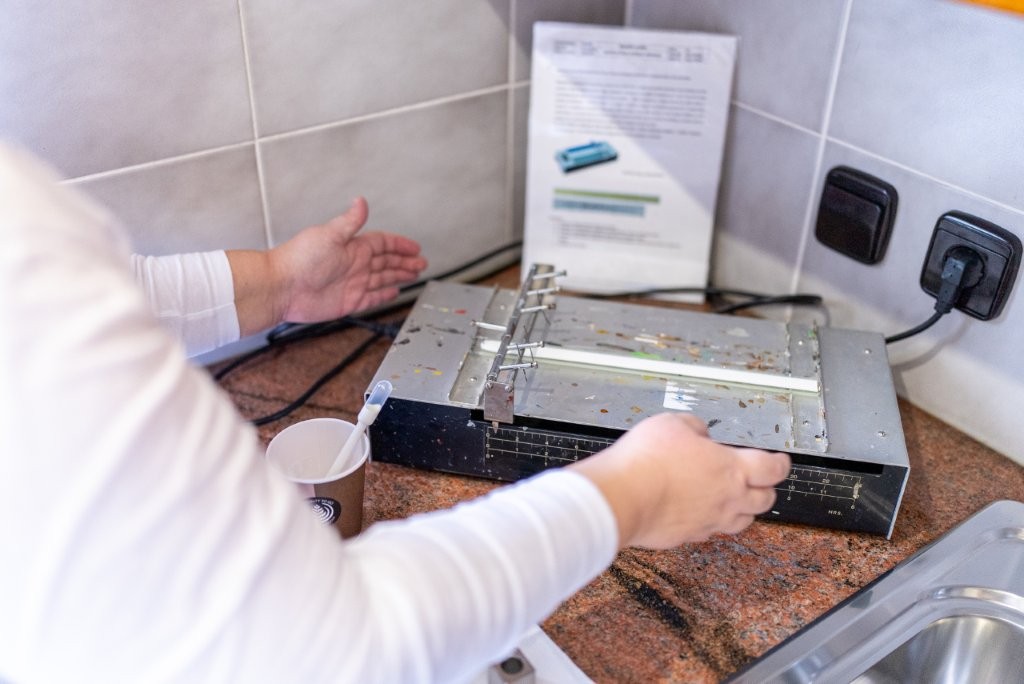 ▶ Procedure video
Application, hiding power and drying
Drying time measurement
How does the applied coating dry?
How the test works ↗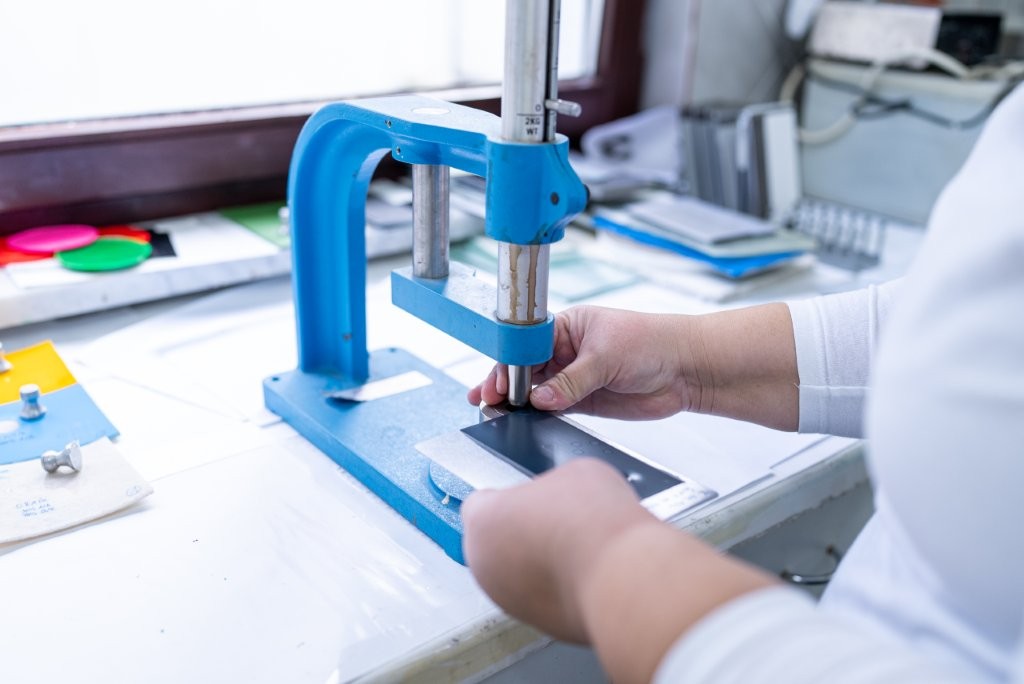 ▶ Procedure video
Mechanical film properties
Impact resistance test
How does the film respond to a mechanical impact?
How the test works ↗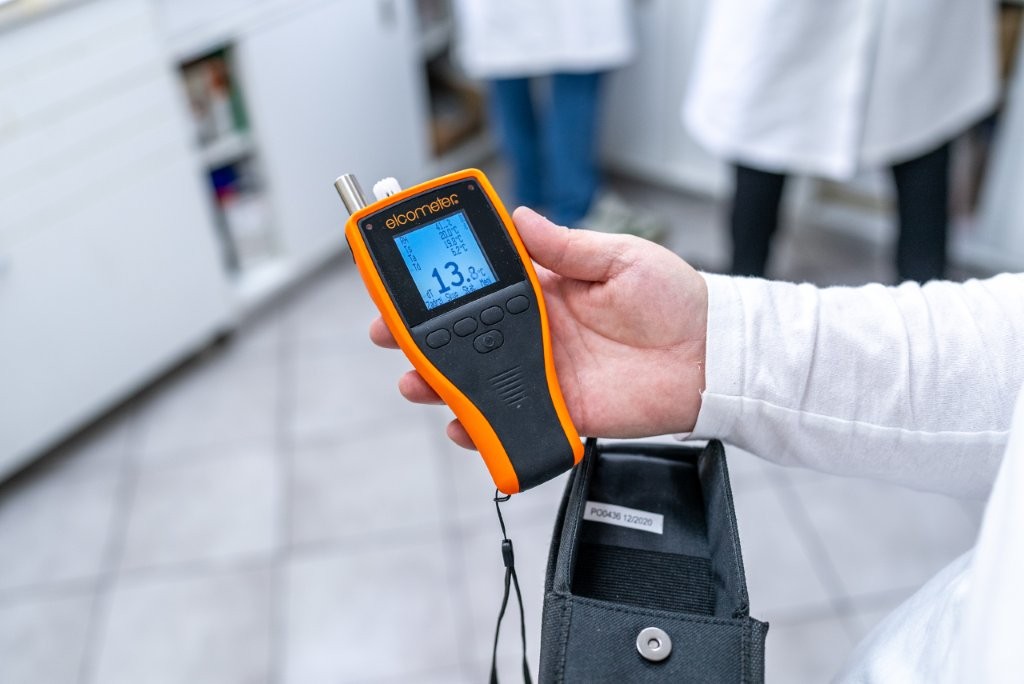
Application, hiding power and drying
Moisture and dew point checks
Are conditions suitable for the planned application?
How the test works ↗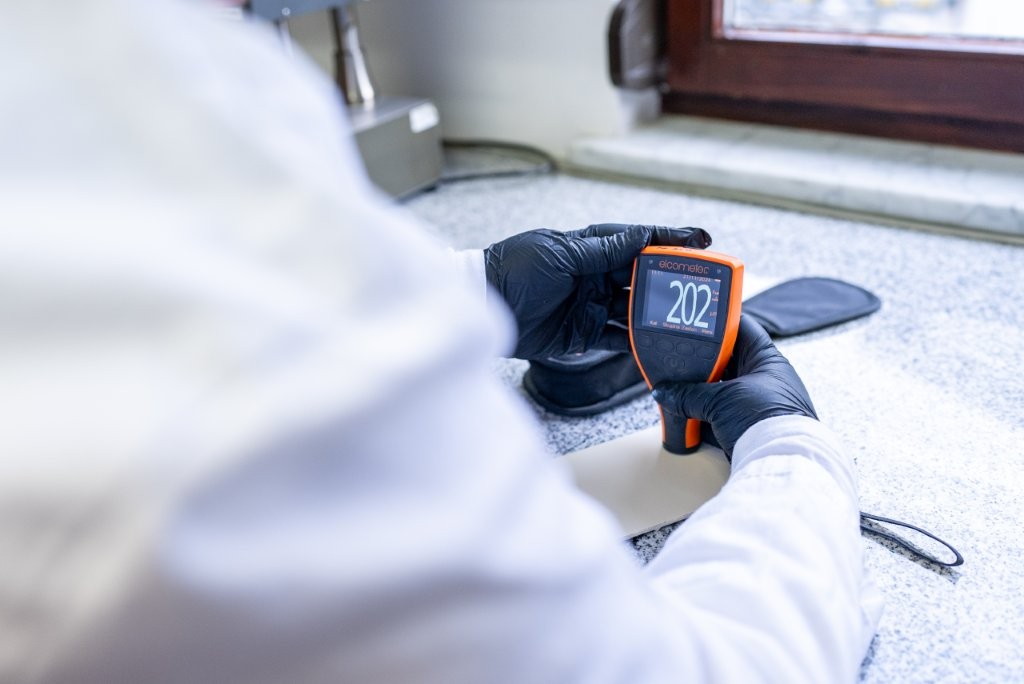 ▶ Procedure video
Application, hiding power and drying
Dry film thickness (DFT)
How thick is the coating after drying?
How the test works ↗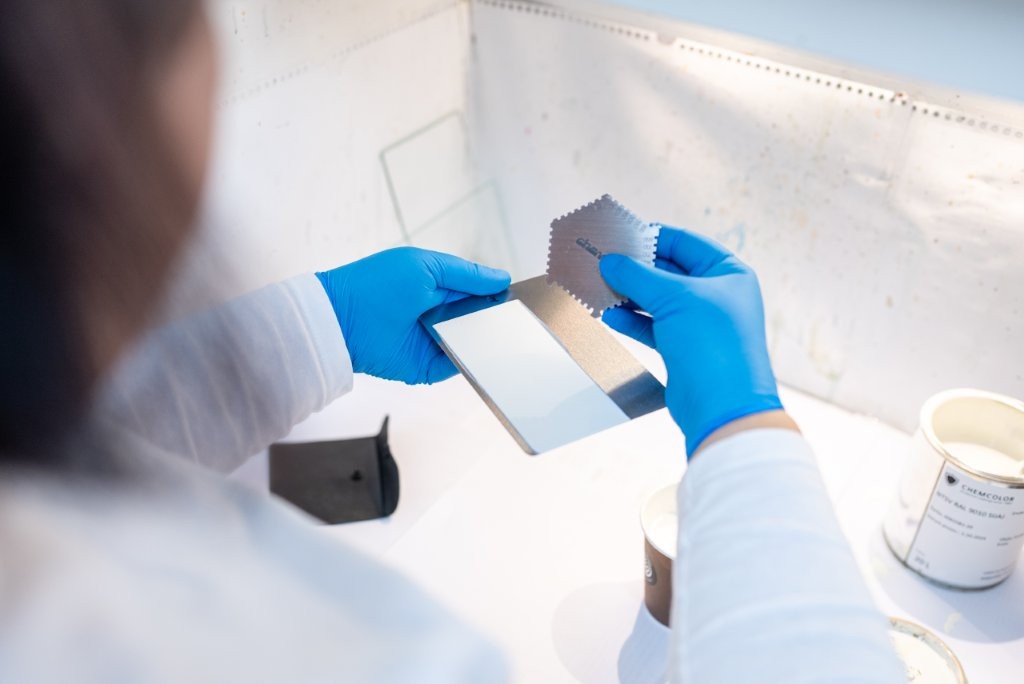 ▶ Procedure video
Application, hiding power and drying
Wet film thickness (WFT)
How much coating has been applied before drying?
How the test works ↗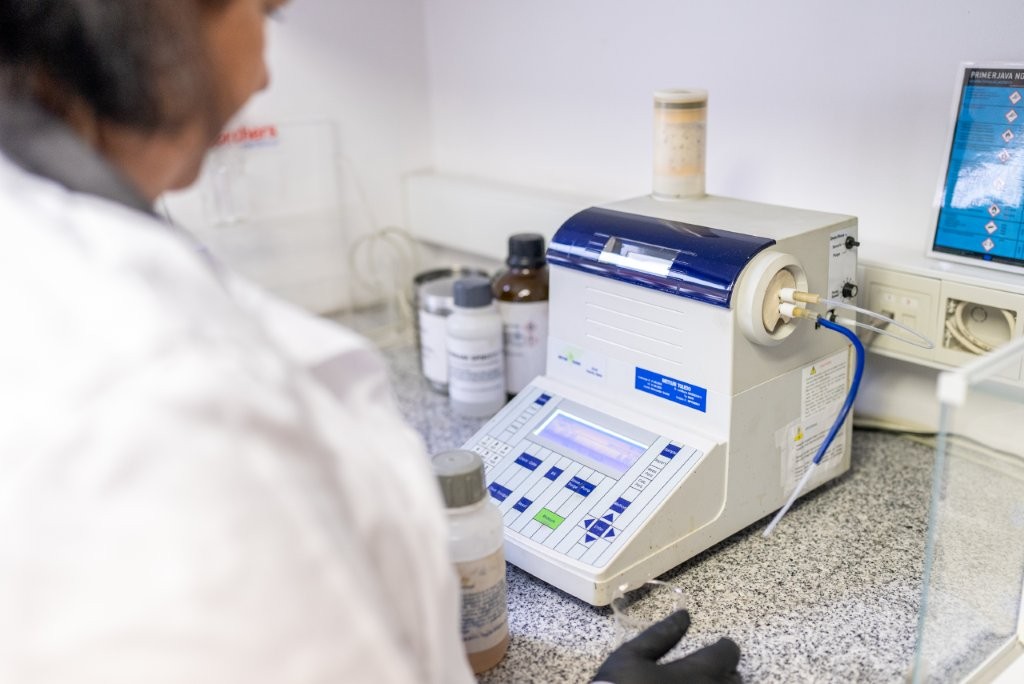 ▶ Procedure video
Liquid coating properties
Density measurement
What is the mass of a given volume of coating?
How the test works ↗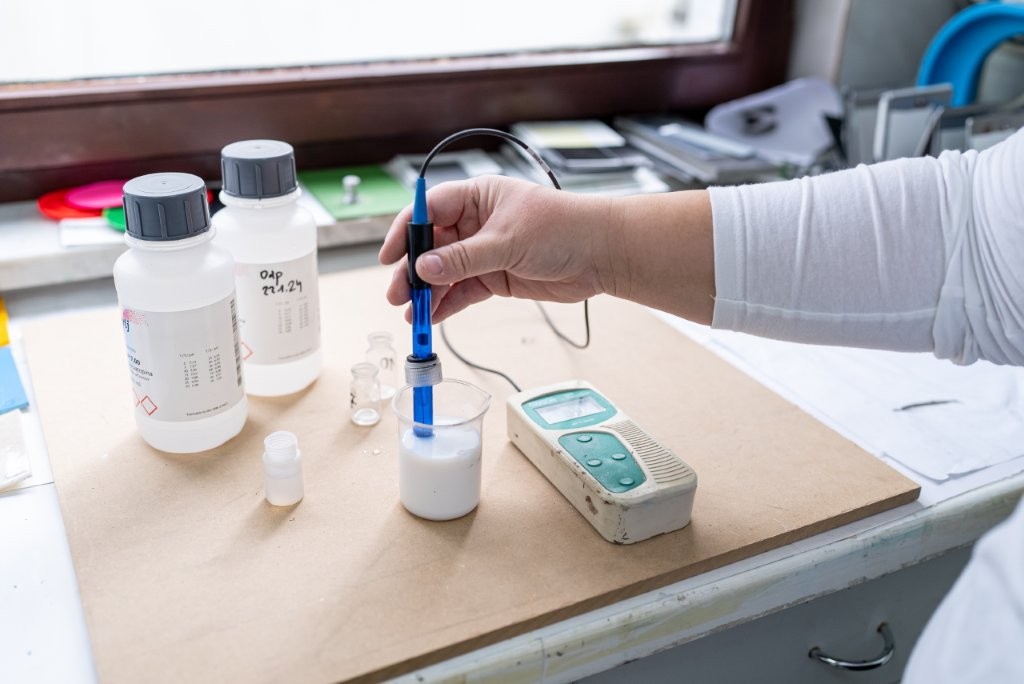 ▶ Procedure video
Liquid coating properties
pH measurement
What is the pH of the sample?
How the test works ↗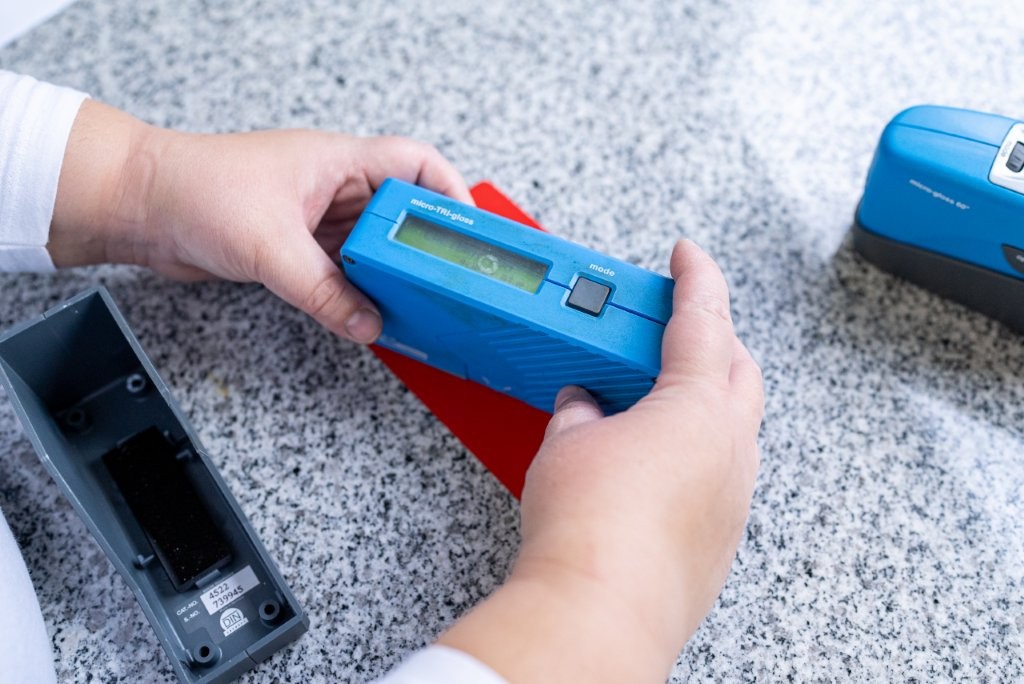 ▶ Procedure video
Colour and gloss
Gloss measurement
How glossy is the coated surface?
How the test works ↗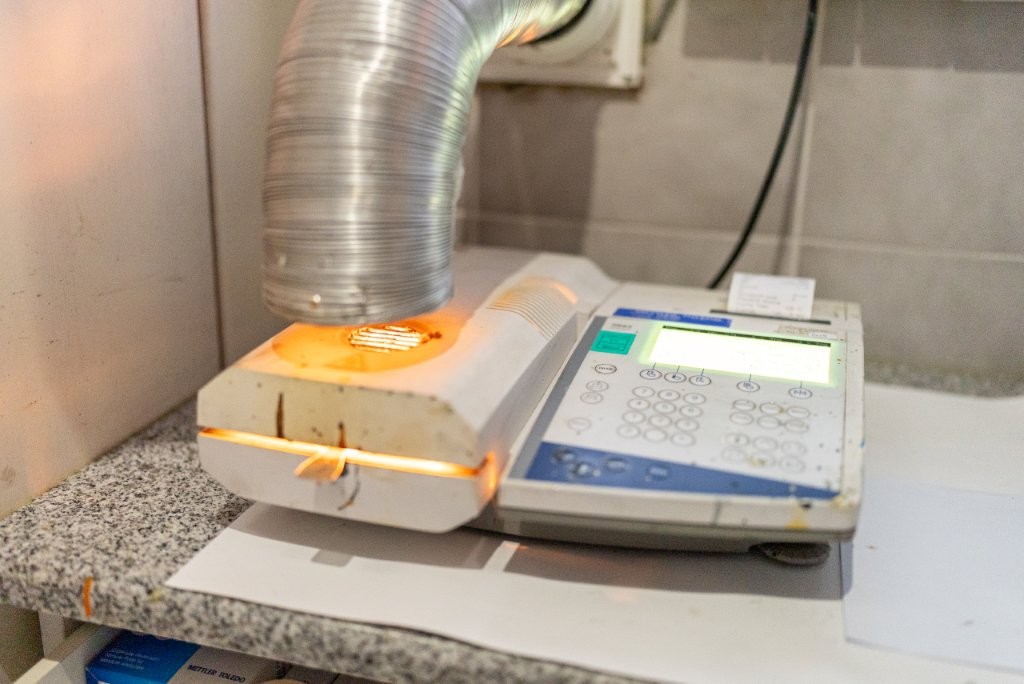 ▶ Procedure video
Liquid coating properties
Non-volatile content
What proportion of the sample is non-volatile material?
How the test works ↗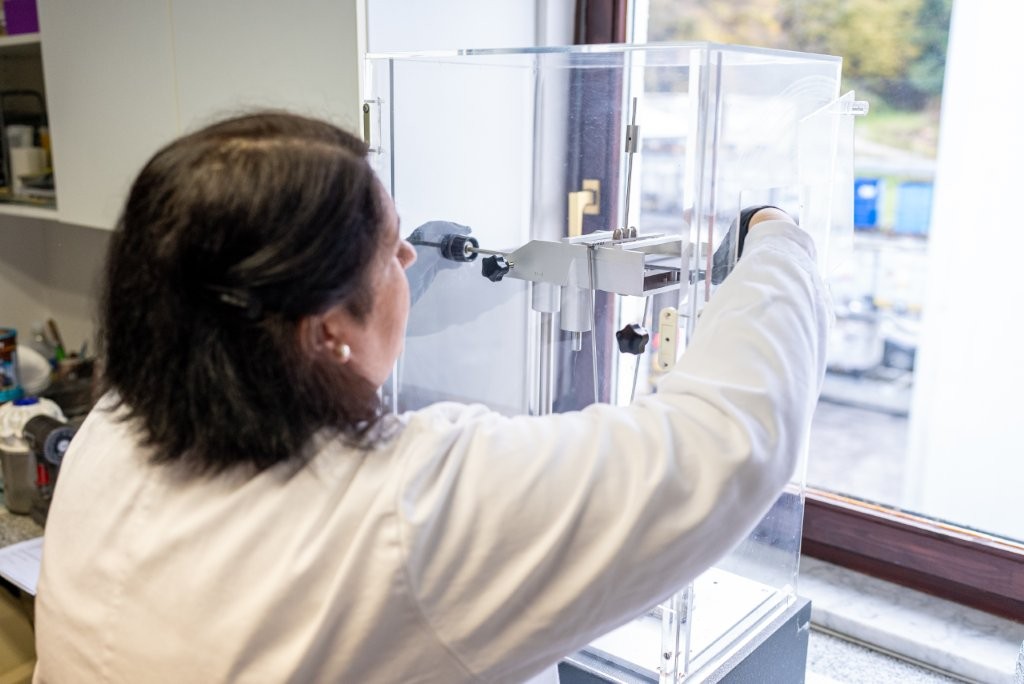 ▶ Procedure video
Mechanical film properties
König pendulum hardness
How hard is the dried film?
How the test works ↗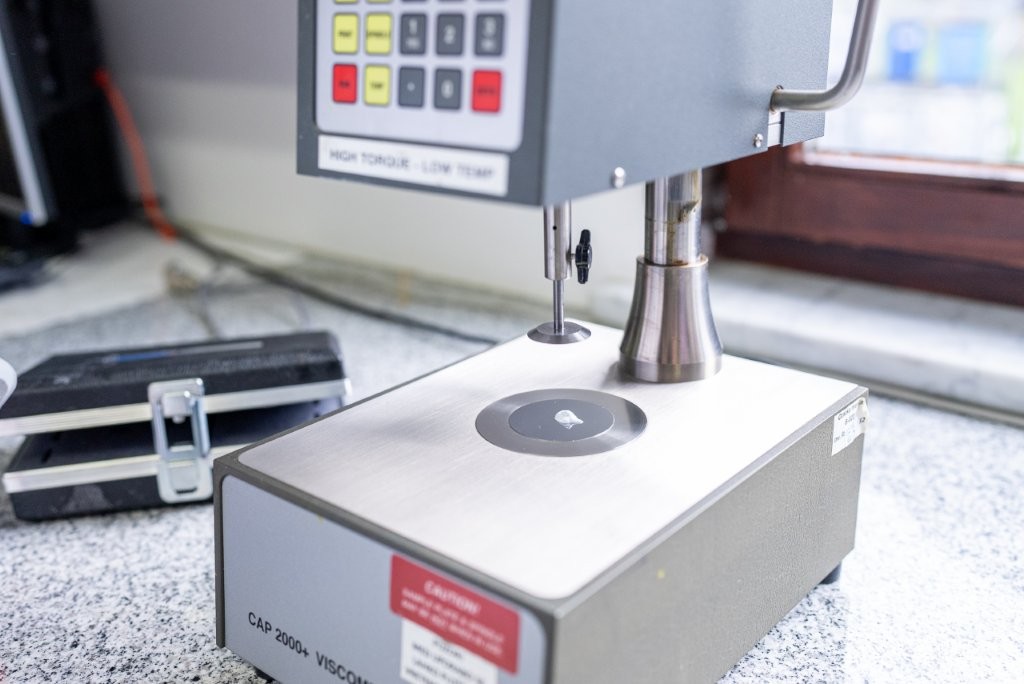 ▶ Procedure video
Liquid coating properties
Viscosity measurement
How strongly does the liquid coating resist flow?
How the test works ↗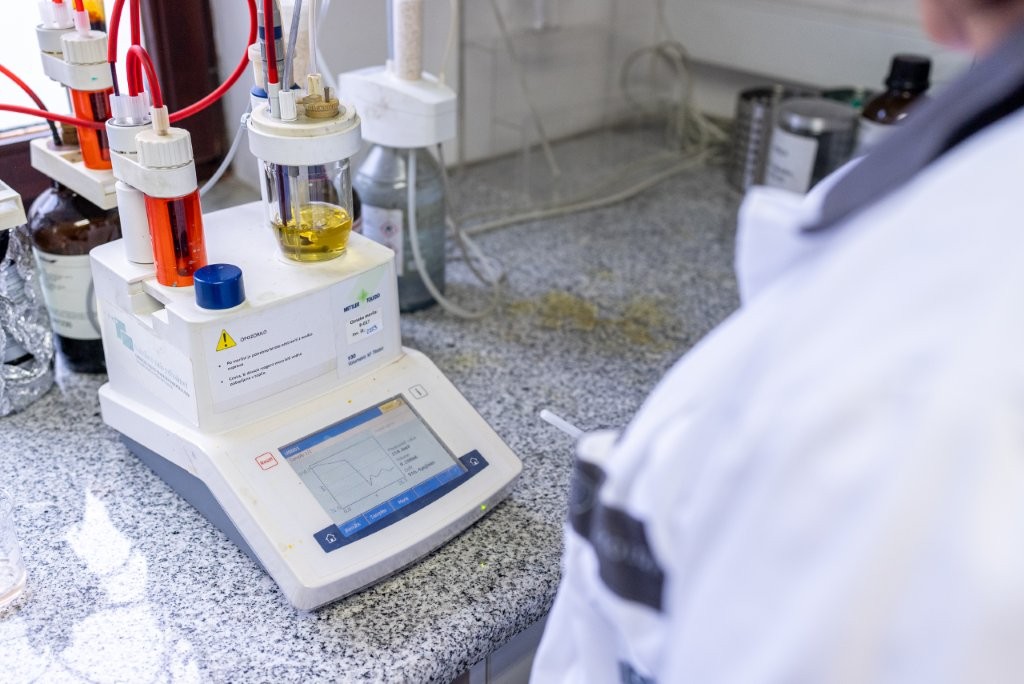 ▶ Procedure video
Liquid coating properties
Karl Fischer water content
How much water does the sample contain?
How the test works ↗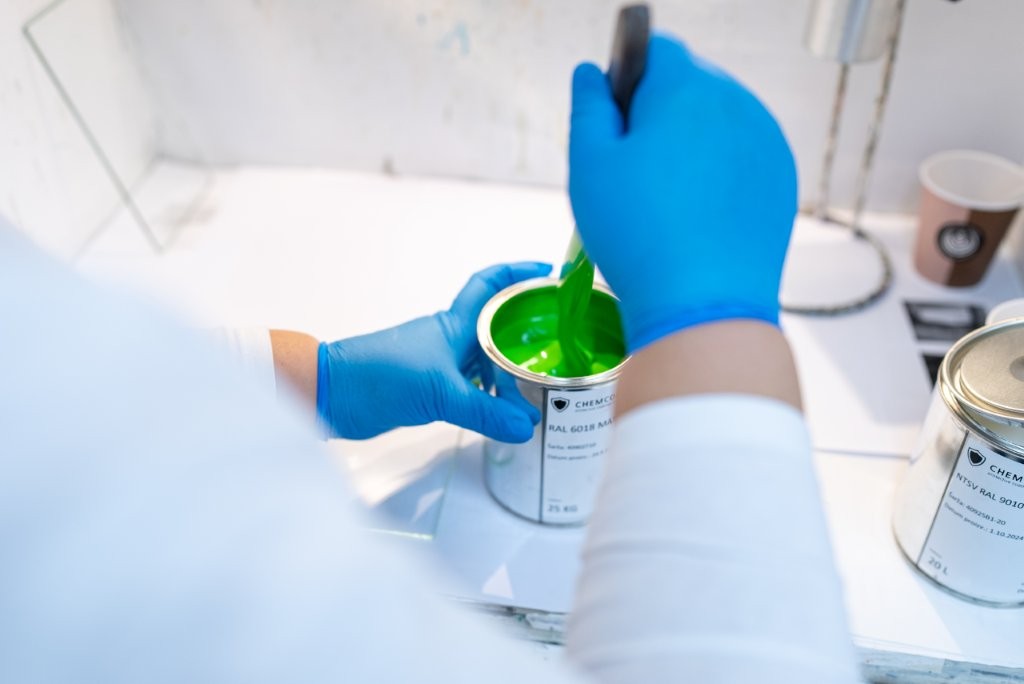 ▶ Procedure video
Liquid coating properties
Sag resistance
How does the fresh coating behave on a vertical surface?
How the test works ↗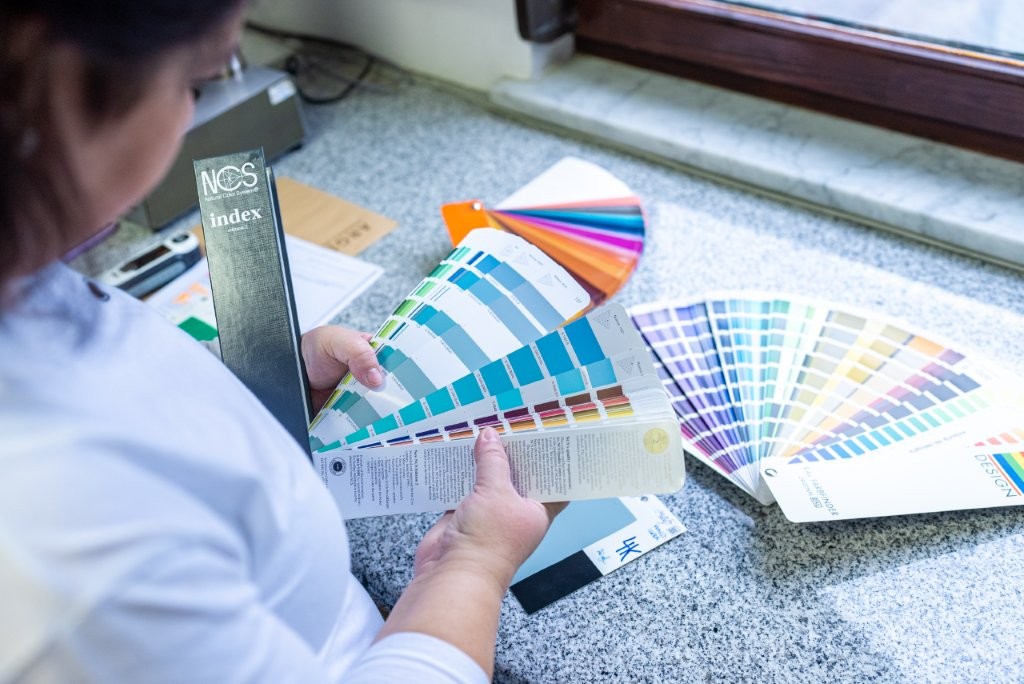 ▶ Procedure video
Colour and gloss
Colour cards and shade selection
Which reference colour are we aiming for?
How the test works ↗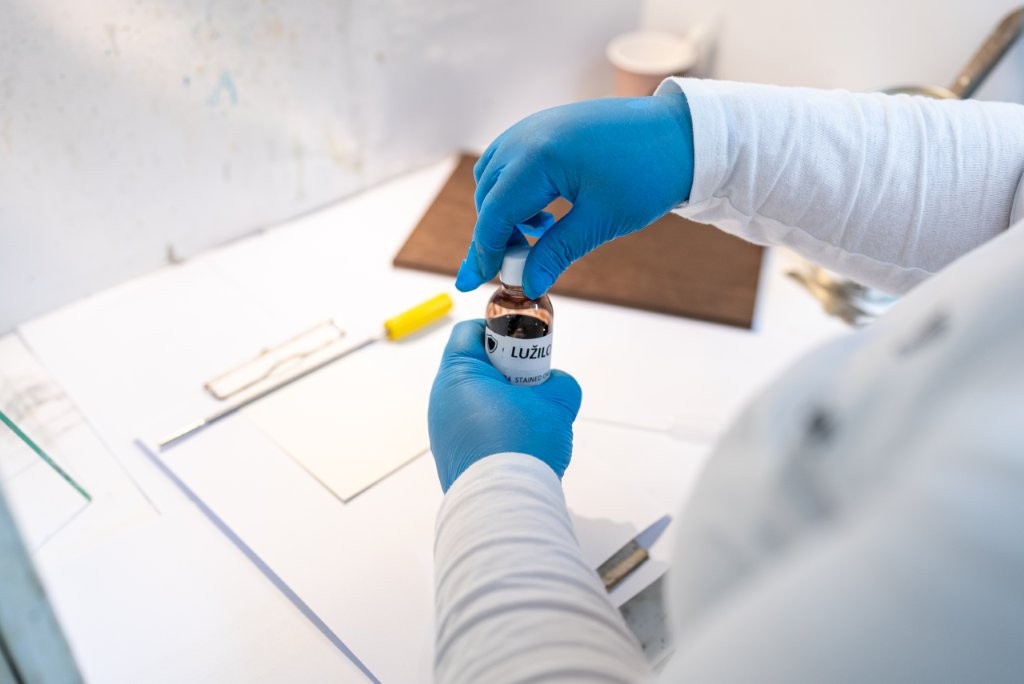 ▶ Procedure video
Application, hiding power and drying
Shade uniformity of stain applications
How uniform is the shade of the test application?
How the test works ↗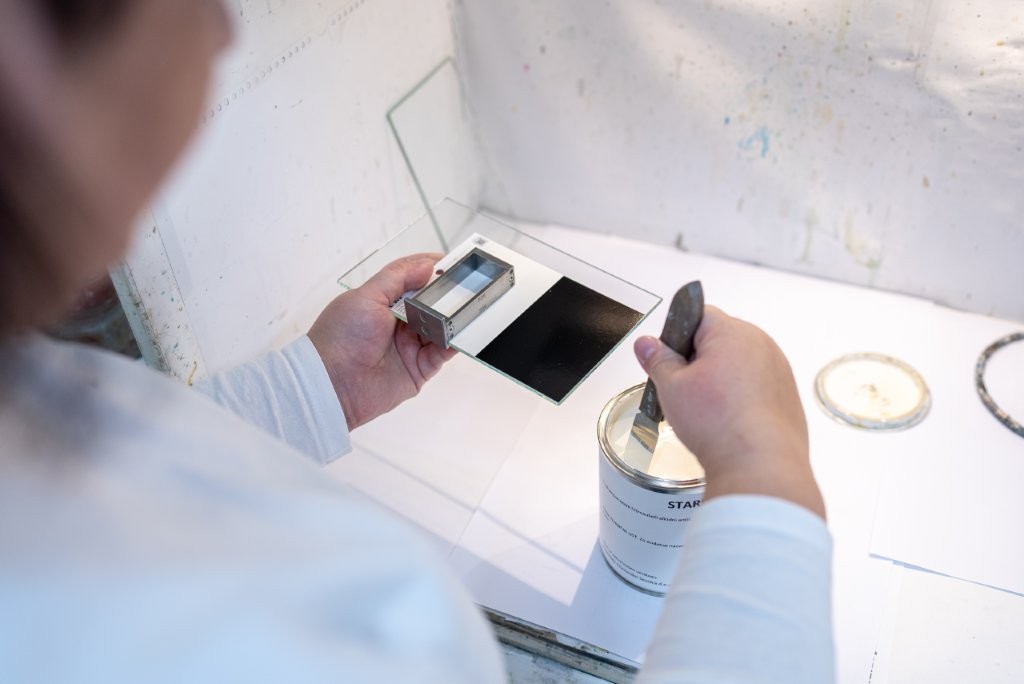 ▶ Procedure video
Application, hiding power and drying
Hiding power
How effectively does the coating conceal the substrate?
How the test works ↗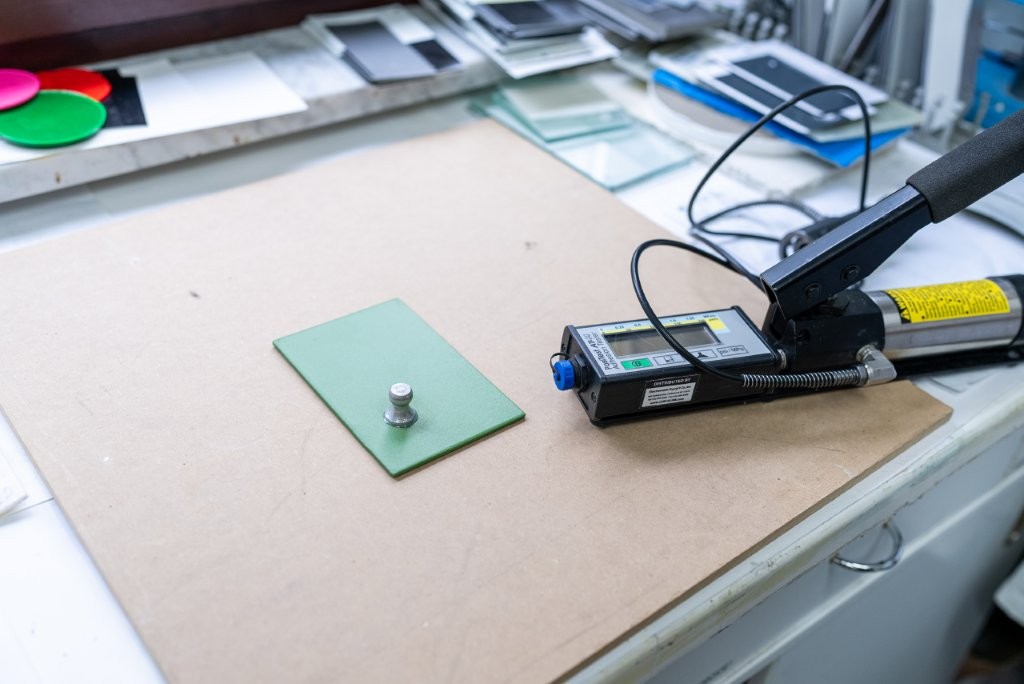 ▶ Procedure video
Coating adhesion
Pull-off adhesion
How does the coating respond to tensile loading?
How the test works ↗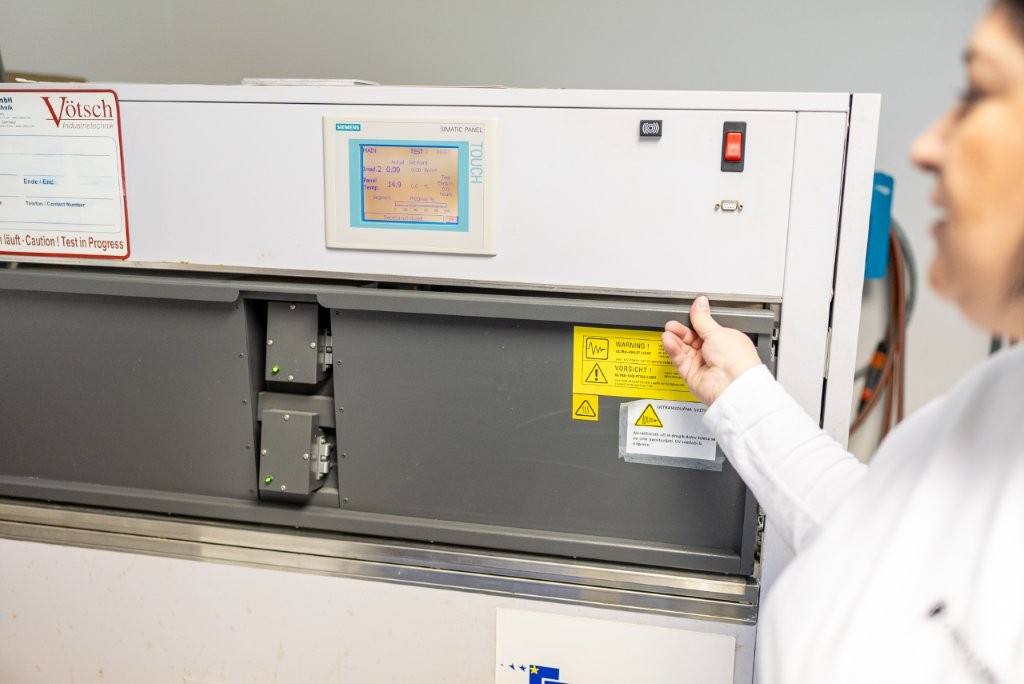
Accelerated UV ageing
Accelerated UV ageing in a QUV chamber
How do specimens respond to UV exposure?
How the test works ↗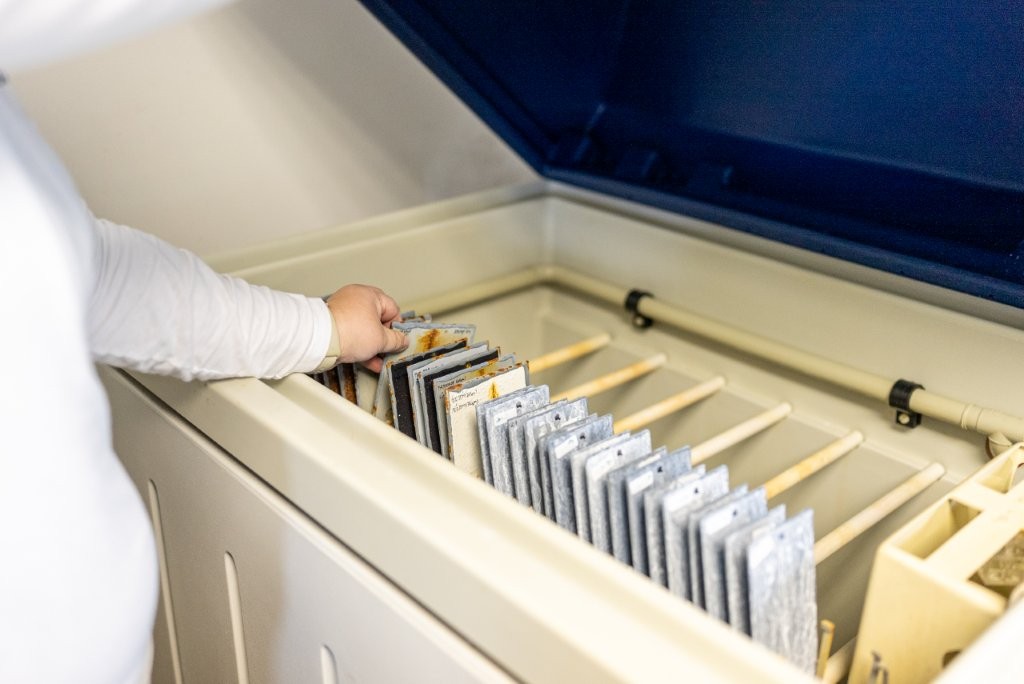
Salt spray exposure
Salt spray exposure
How does the system respond to corrosive exposure?
How the test works ↗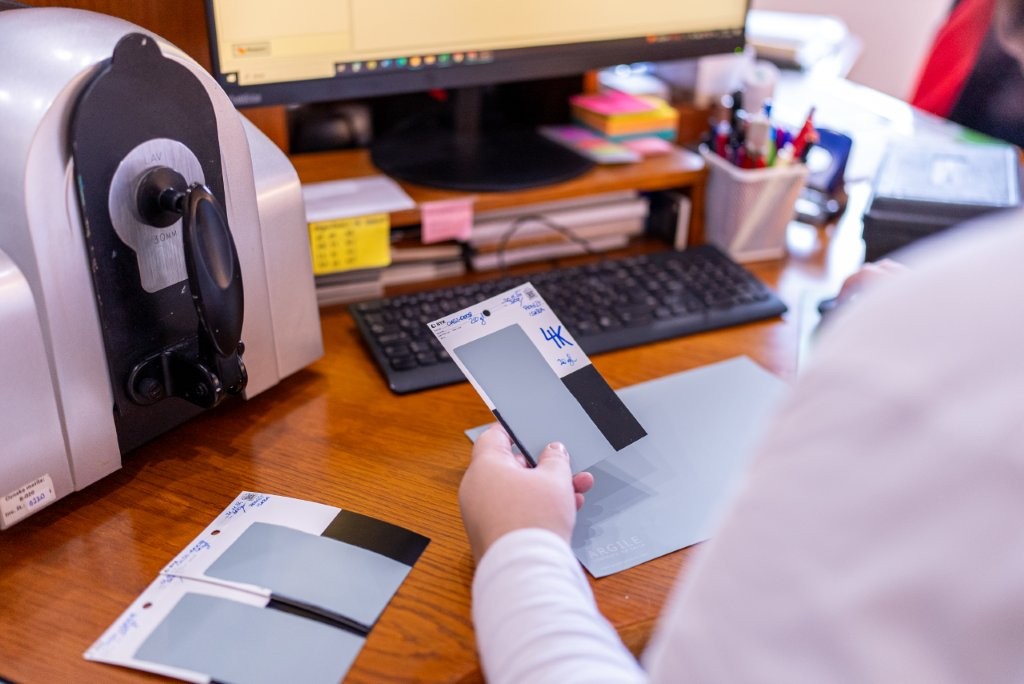 ▶ Procedure video
Colour and gloss
Spectrophotometric colour measurement
How does the specimen's colour differ from the reference?
How the test works ↗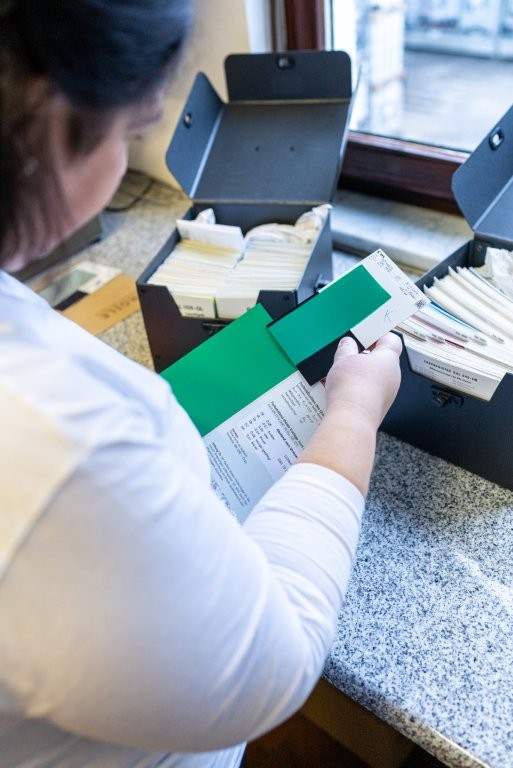 ▶ Procedure video
Colour and gloss
Comparison with a RAL reference
How does the shade match the selected RAL reference?
How the test works ↗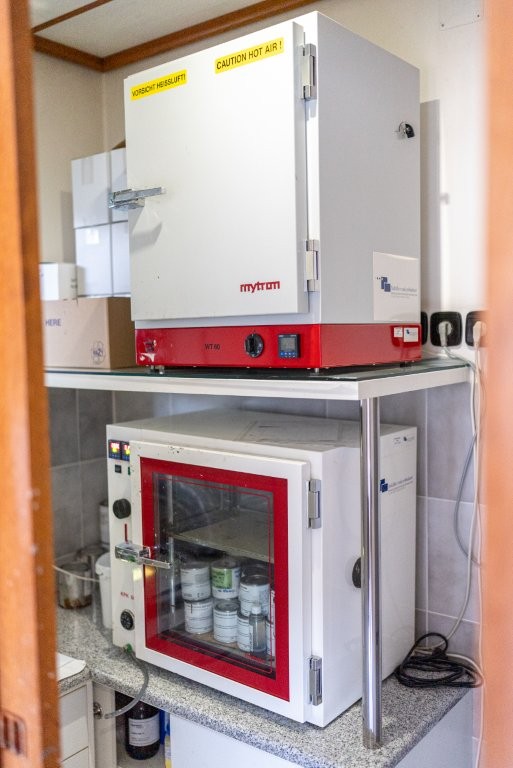
Application, hiding power and drying
Drying under controlled conditions
How does the specimen dry at the selected temperature?
How the test works ↗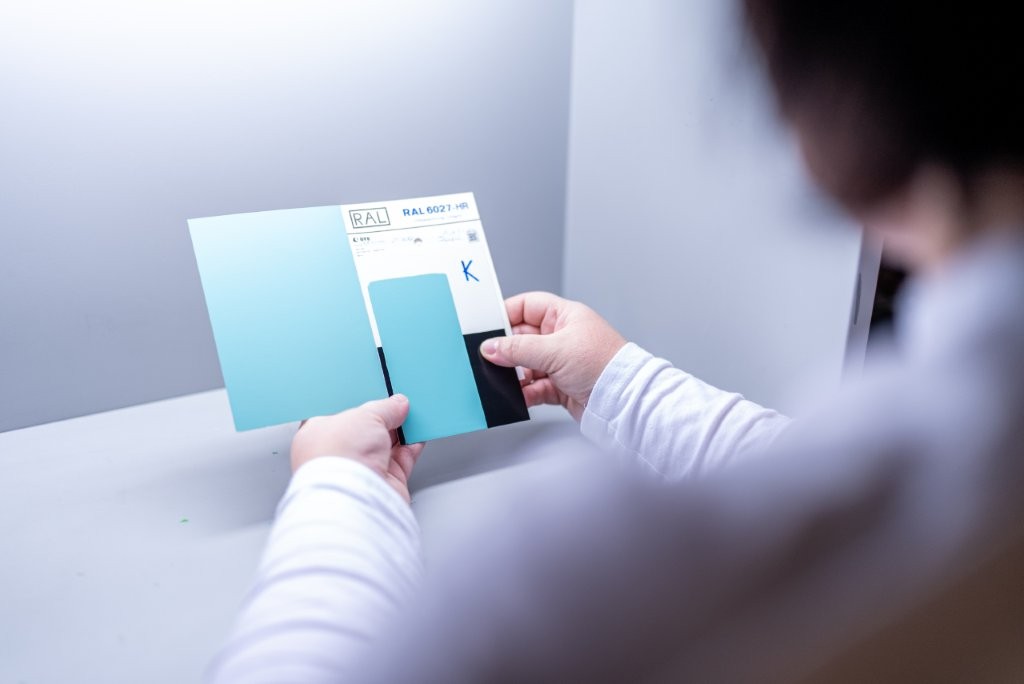 ▶ Procedure video
Appearance under different lighting
Visual comparison in a light booth
How does the shade appear under different lighting?
How the test works ↗Liquid coating properties
Analysis of selected components by GC
Which selected components or unwanted substances are present?
How the test works ↗Application, hiding power and drying
Application trials
How does the coating behave with the intended application method?
How the test works ↗Liquid coating properties
Surface tension measurement
How do liquid coating properties affect substrate wetting?
How the test works ↗Mechanical film properties
Pencil hardness
How does the cured film respond to a pencil test?
How the test works ↗Resistance and permeability
Resistance to selected chemicals
How does contact with selected substances affect the coating?
How the test works ↗Resistance and permeability
Water vapour transmission
How does water vapour pass through the coating system?
How the test works ↗Resistance and permeability
Thermal cycling resistance
How does the coating respond to repeated temperature changes?
How the test works ↗Liquid coating properties
Fineness of grind
Are coarse particles or agglomerates present in the dispersion?
How the test works ↗From sample to decision
We relate the result to your application.
Question
What would you like to test, compare or improve?
Agreement
We agree on the method, sample and test conditions.
Testing
We relate observations and measurements to the tested sample.
Interpretation
We use the findings to select or adapt a system.
Let us start with your question.
Describe the sample, substrate and what you would like to find out.